

Reading a Chinese inverter datasheet: what the test data shows vs. what the brochure claims
A 1500V string inverter held 98.2% efficiency at 25°C but dropped to 96.4% at 50°C. That is a six-figure yield gap on 120 MWp no datasheet mentioned.
Key takeaway
A 1500V string inverter held 98.2% efficiency at 25°C but dropped to 96.4% at 50°C with over-temperature foldback, a six-figure annual yield gap across 120 MWp that no datasheet mentioned. Certificate scope and component BOM are the other two soft spots buyers miss.
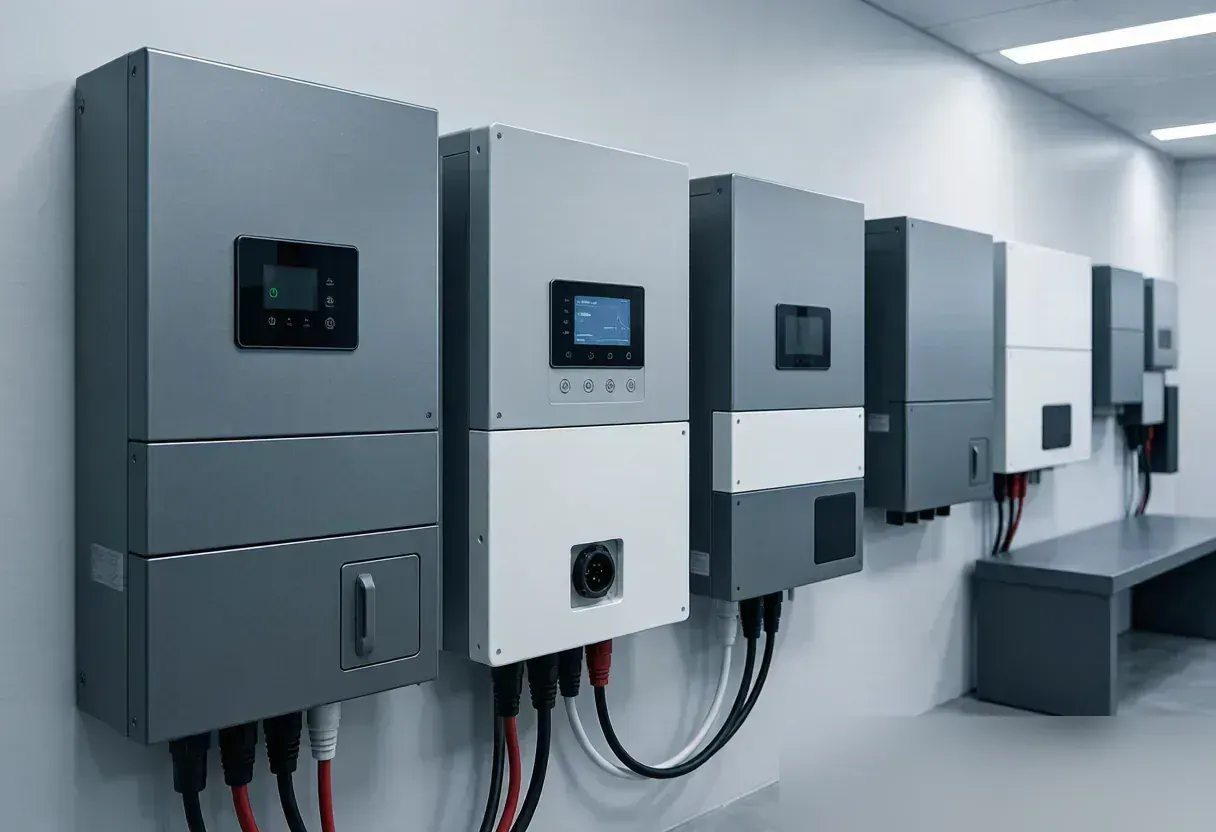
When an overseas EPC gets a Chinese inverter quote, the first move is usually to Google the brand name plus “review” or “problems”. Smart instinct. Wrong target. The brand name rarely tells you anything useful. The test data does.
Here’s how we read an inverter dossier the way a factory’s own test engineer would, and where the soft spots usually hide.
The number everyone quotes, and the number nobody shows2000
Every datasheet leads with peak efficiency: 98.5%, 98.8%, sometimes a suspiciously round 99%. Peak efficiency is measured at a specific operating point, usually 50% load, 25°C ambient, nameplate voltage. It’s a real number. It’s also the least useful one on the page, because your plant rarely runs at that point.
What the sales deck leaves out is the derating curve. A 1500V string inverter rated for -30°C to +60°C will, in practice, start folding back output above ~45°C as internal capacitors heat. At a GCC or Indian site, that’s not an edge case. That’s May through September. We’ve seen internal test logs where the unit holds 98.2% at 25°C and drops to 96.4% at 50°C, with a repeated over-temperature foldback event the sales team never mentioned. The lost two points, across 120 MWp, is a six-figure annual yield gap no one budgeted for.
Certificate scope
The second soft spot is certificate scope. A “TÜV-certified” badge on the deck doesn’t mean this unit is certified. Certificates name a model and a scope line. We pull the exact certificate number and read the scope. More than once, the mark has resolved to a discontinued predecessor model, carried over cosmetically. The fix is trivial for a buyer: make certificate-scope match a pass/fail gate in the tender. But almost no one writes that gate until after a bad unit ships.
The component bill of materials
The third thing a datasheet won’t volunteer: who made the IGBT modules, the DC-link capacitor bank, and the cells. “Vertically integrated, cells to inverter” is a powerful story, and often a partial one. The enclosure and firmware may be in-house. The thermally critical parts are usually sourced. There’s nothing wrong with that. But it changes the warranty and failure-analysis story, and it should be named in the contract, not implied in the deck.
What we do with this
None of this requires us to be in the factory. A Remote Audit cross-checks the raw test-data logs against the datasheet claimed values, traces each certificate through the issuer’s public database, and rebuilds the OEM contract so performance promises become stepped liquidated-damages clauses. Performance at 50°C, not at the brochure’s 25°C.
The goal isn’t to shame a supplier. It’s to turn a pretty PDF into a number you can enforce.
If you’re reviewing a Chinese inverter brand right now and something in the dossier feels too clean, send the brand and model. The free screen returns one colour and one reason. Usually enough to decide whether a deeper look is worth it.
Brand and model names are trademarks of their respective owners, used here for identification only. SpecSourcing is not affiliated with, authorised by, or endorsed by any of these manufacturers.