

Insights
Brand teardowns, compliance tracking, the mechanics of Chinese sourcing, and field notes from the factory floor.
Sub-columns
Brand equivalents
Reference-brand teardowns: what actually decides interchangeability, and when keeping the original is the lower-risk call.
10 articlesOpenCompliance desk
Certificates and standards — real or forged, in date or not, and whether they actually cover your unit.
1 articleOpenSourcing mechanics
How an order actually runs: quotes, sampling, payment, Incoterms, packing and loading.
1 articleOpenField notes
What we saw on the factory floor, photographed and dated.
1 articleOpen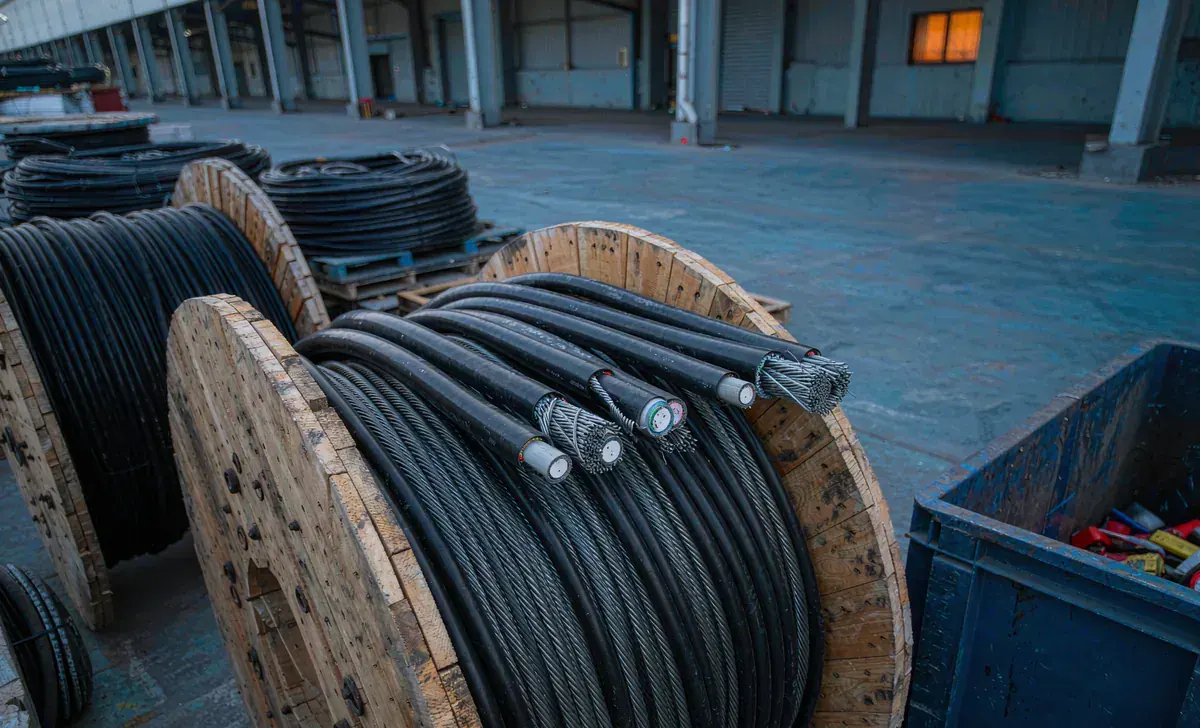
Finding a Chinese Equivalent for a Prysmian LV Armoured Cable
How an overseas buyer should read a Prysmian 0.6/1 kV armoured cable specification and judge whether a Chinese LV construction genuinely meets the same standard, flame grade and accessory system.
Read analysis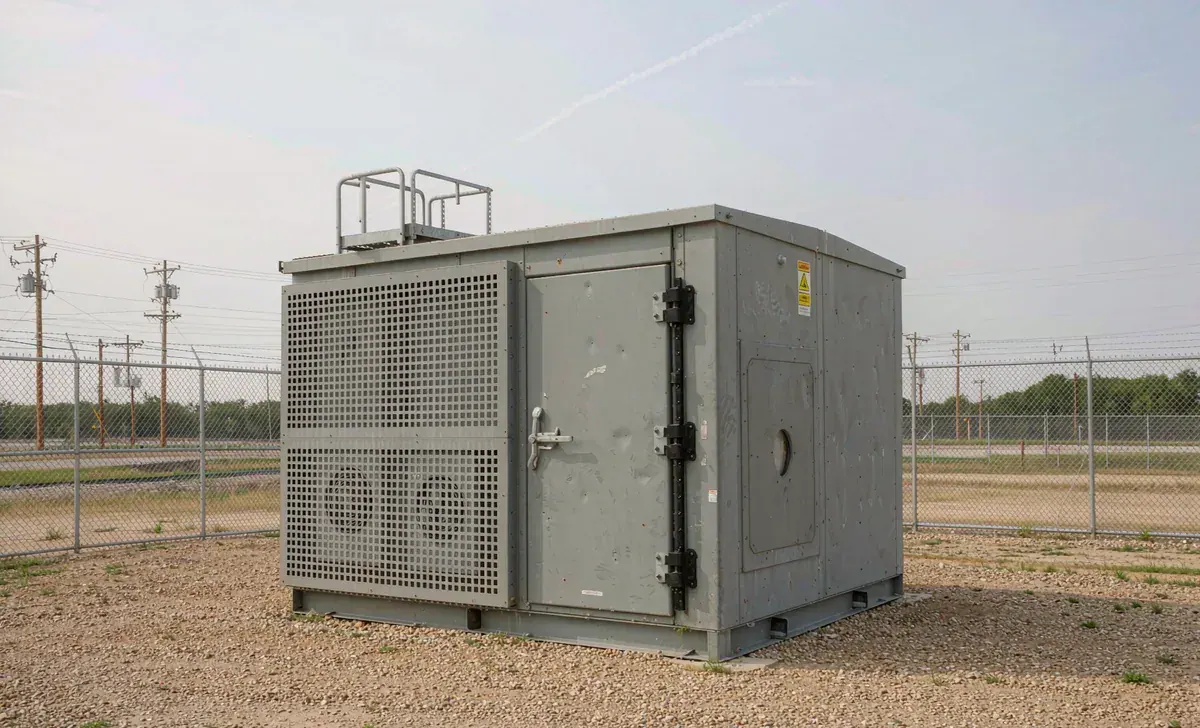
Finding a Chinese Equivalent for an ABB Prefabricated Substation
A prefabricated substation is five subsystems in one enclosure. How an overseas buyer should judge whether a Chinese box-type substation genuinely meets the same specification, and which substitution failures hide between the devices.
Read analysis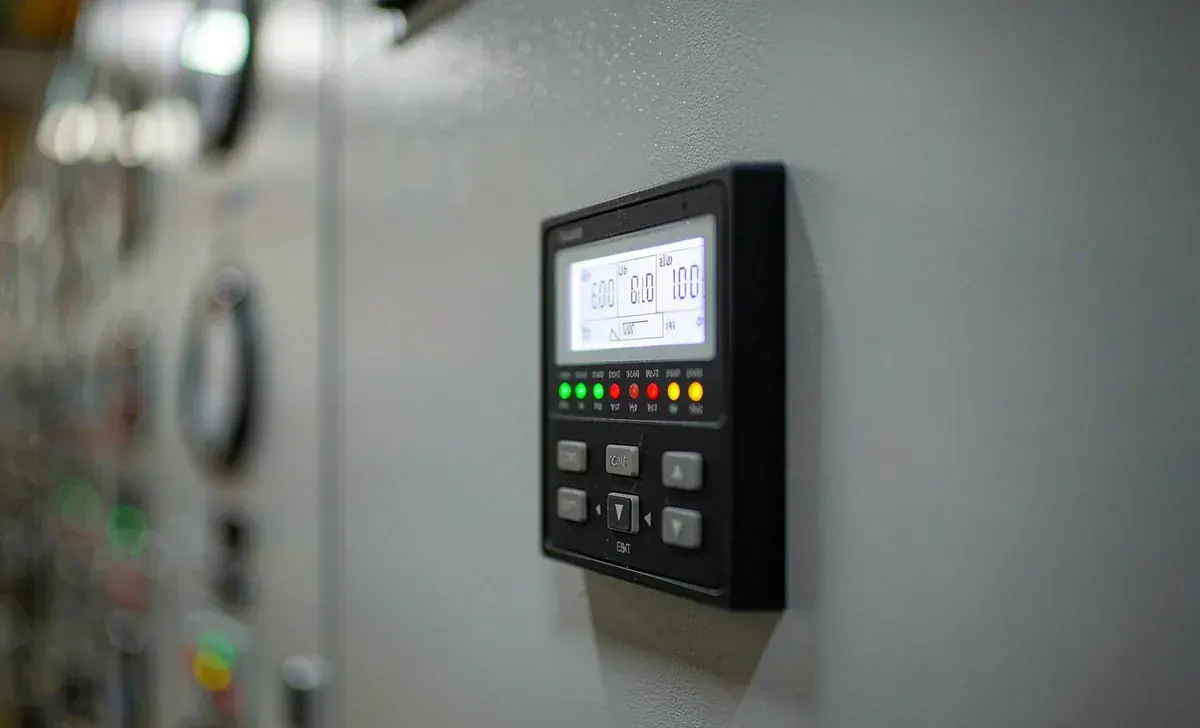
Finding a Chinese Equivalent for a Schneider or GE Numerical Protection Relay
Numerical relays are replaced panel by panel and firmware by firmware. How to judge whether a Chinese relay genuinely matches the protection functions, curves, fault records and SCADA interface your substation already runs on.
Read analysis
How to actually verify a type-test certificate for power equipment
A certificate is a claim, not a fact. A field-by-field method for checking the laboratory, the accreditation, the scope line, the test values and the dates behind a type-test certificate before you wire money against it.
Read analysis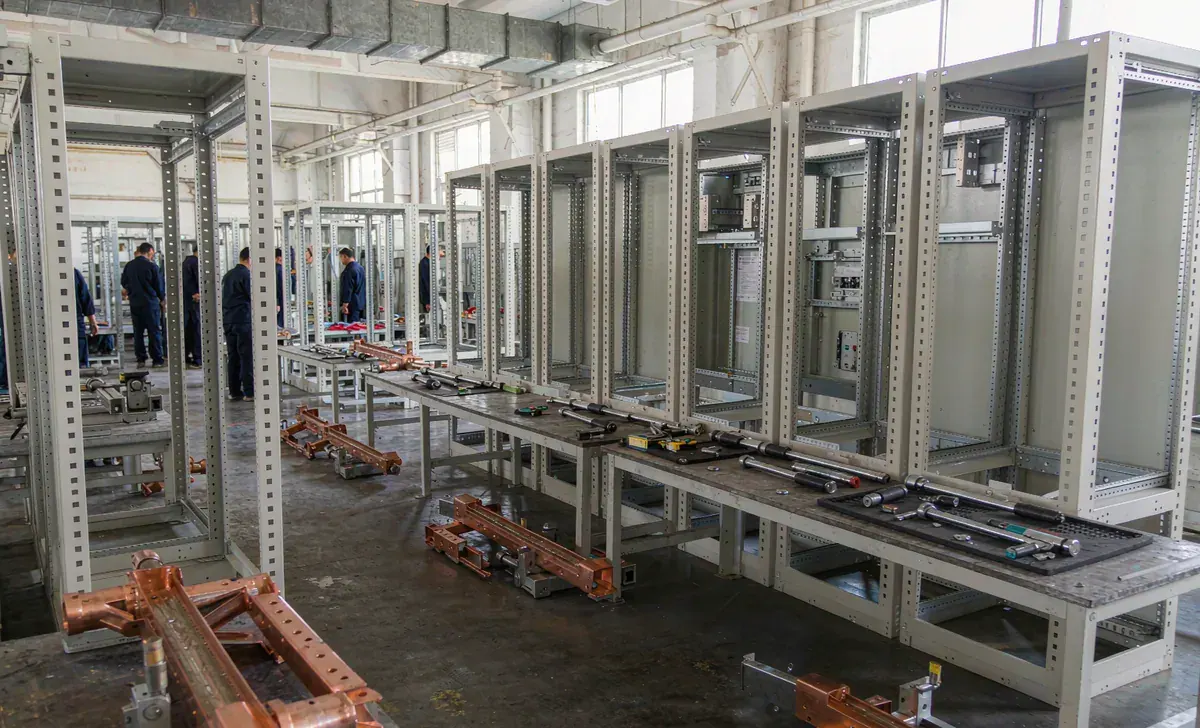
Field note: the workshop floor answers what the quotation won't
Paper says what a supplier plans to do; the floor shows what it can do. A short read of the workshop as a verification instrument, drawn from anonymised audit experience across panel shops and switchgear assembly lines.
Read analysis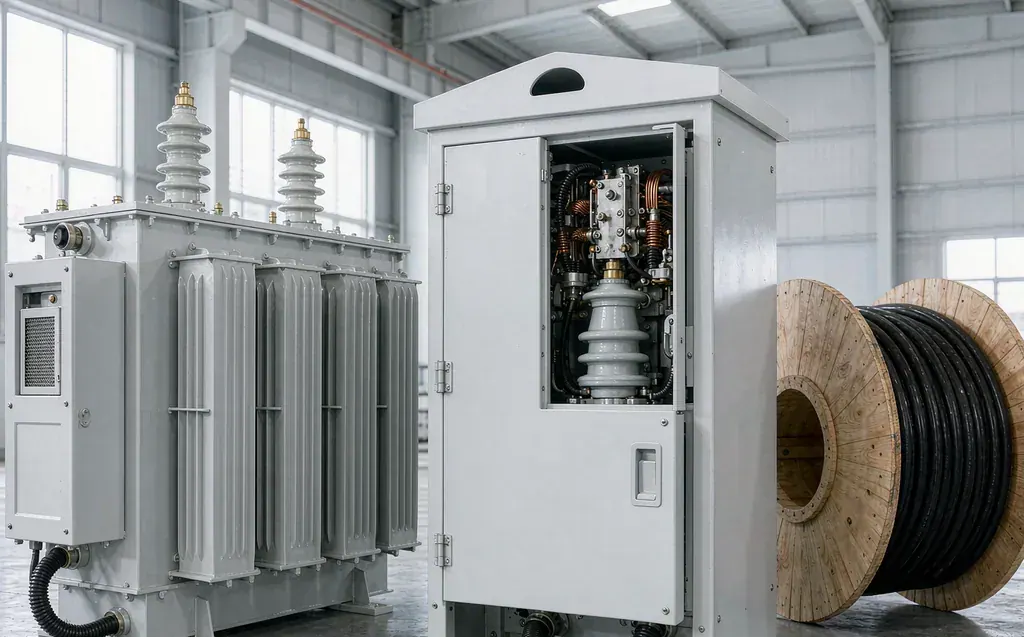
How to Tell a Real Chinese Equivalent from a Relabelled One: A Buyer's Method
How to verify whether a unit offered as a Chinese equivalent of a Western brand is a genuine drop-in substitute, using the reference unit's own documents and a six-step method.
Read analysis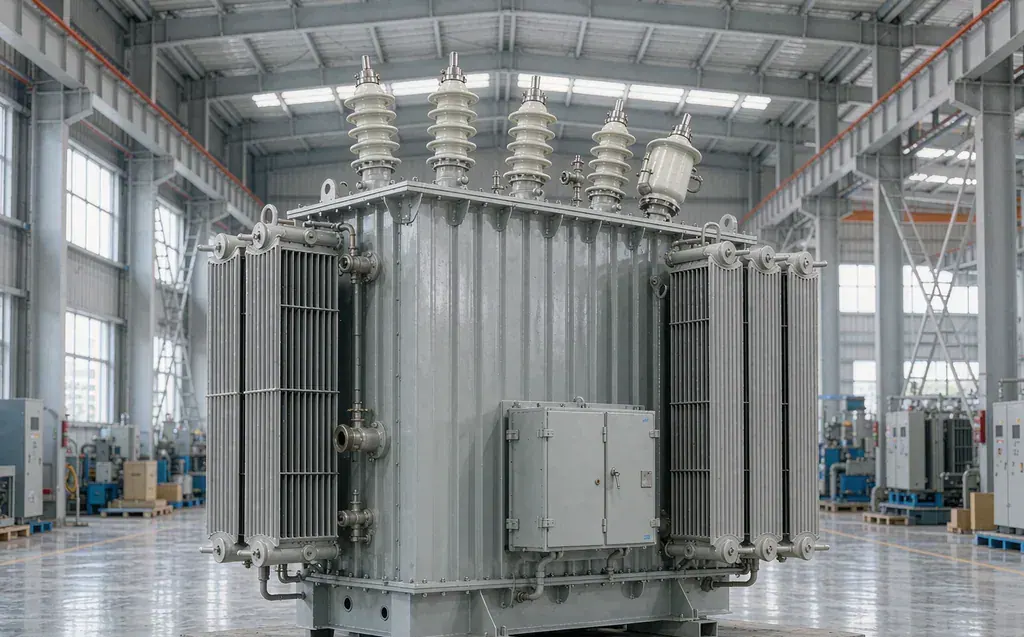
How to Find a Chinese Equivalent for an ABB Power or Distribution Transformer
A practical guide for EPC and industrial buyers: how to read an ABB transformer nameplate and type designation, which electrical and mechanical parameters actually decide interchangeability, and when keeping ABB is the lower-risk call.
Read analysis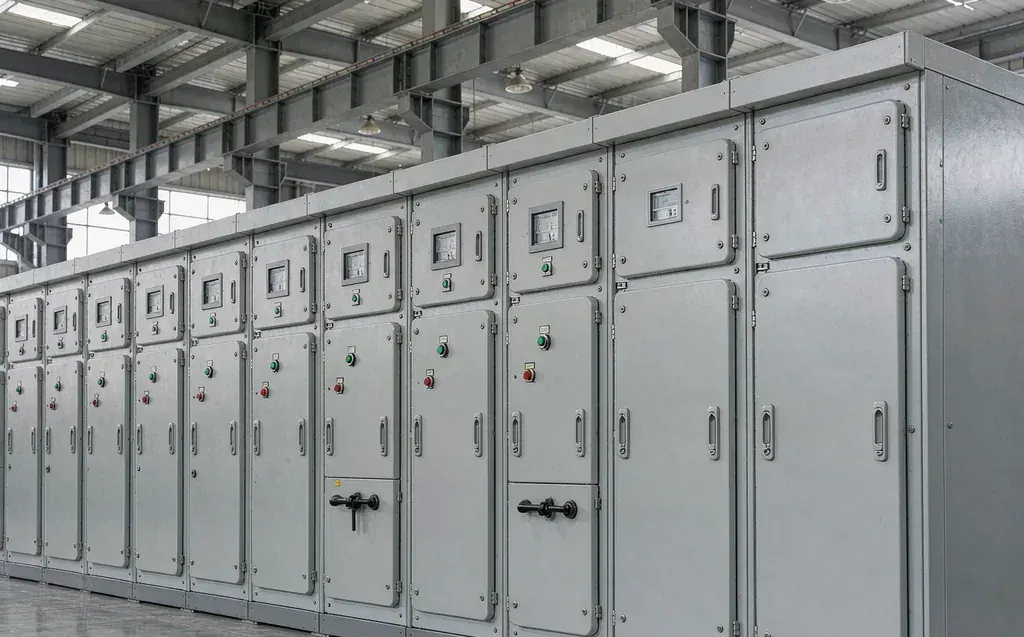
Replacing a Siemens MV Switchgear Lineup with a Chinese Equivalent
How to read a Siemens MV switchgear reference and single-line diagram, which parameters a Chinese equivalent must match, where equivalence fails when extending an existing board, and when keeping the original brand is the right call.
Read analysis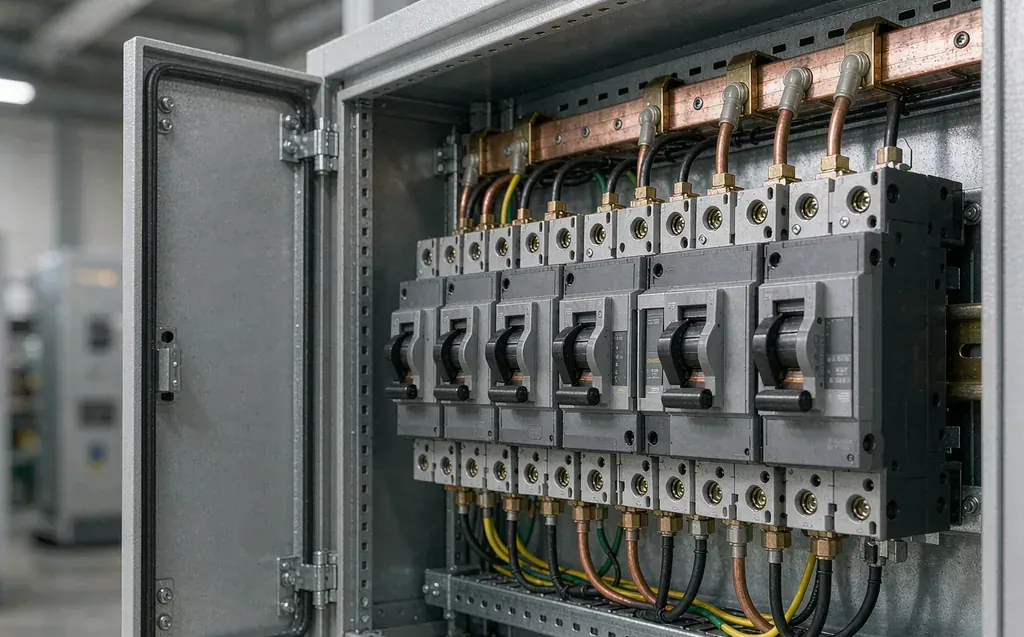
Finding a Chinese Alternative to a Schneider Circuit Breaker
How to read a Schneider breaker designation and decide whether a Chinese LV or MV equivalent can genuinely substitute it, field by field.
Read analysis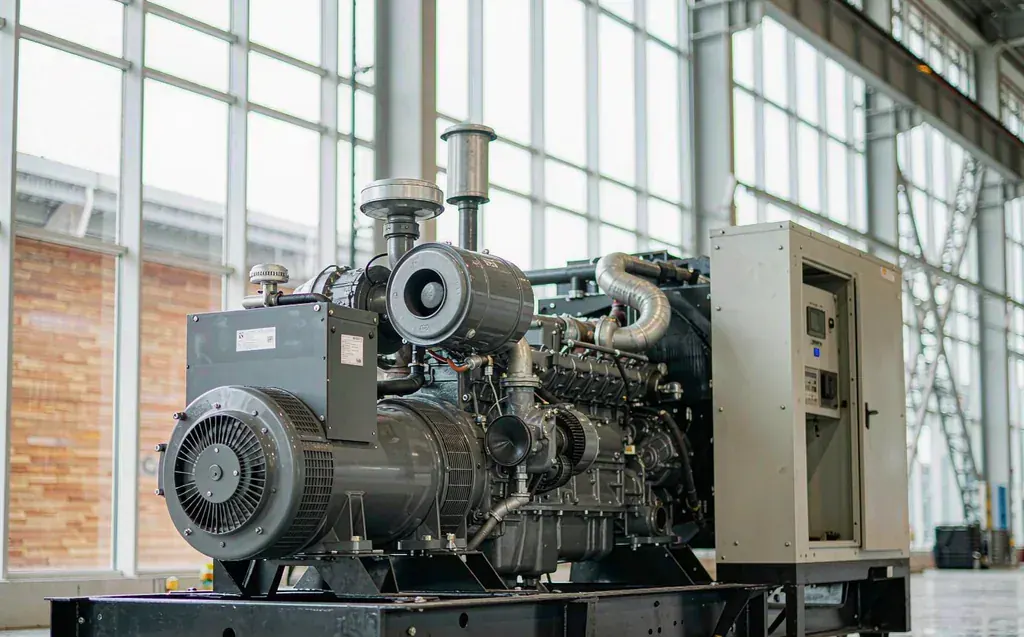
Perkins Generator Equivalent: Sourcing a Chinese-Built Genset
A practical guide for buyers holding a Perkins generator-set reference: which datasheet parameters actually constrain interchangeability, where an equivalent set can fail, and when substituting is defensible.
Read analysis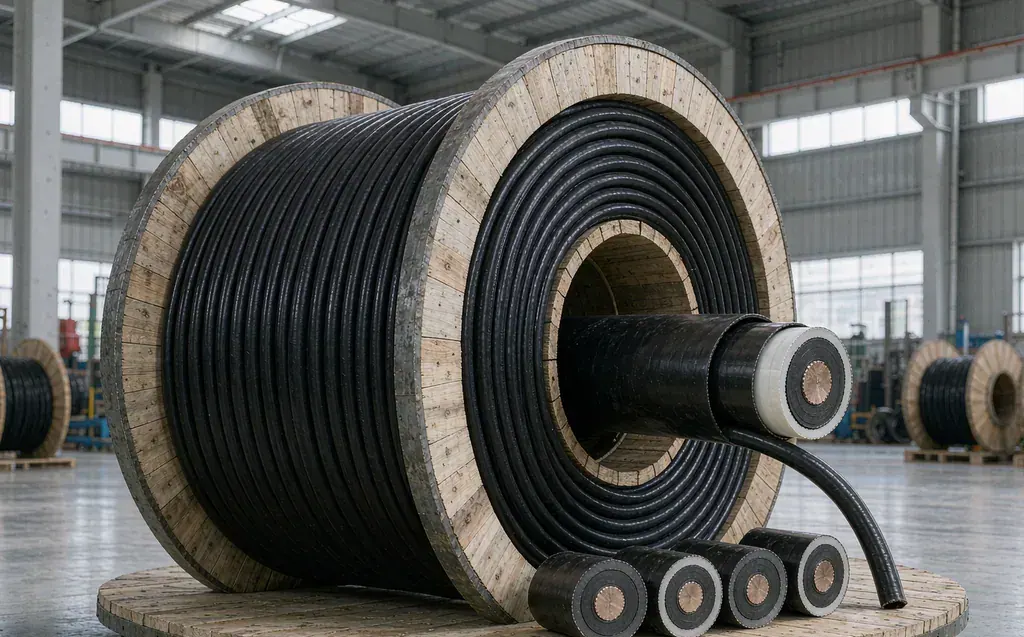
Finding a Chinese Equivalent for a Hitachi MV/HV XLPE Power Cable
How an overseas EPC or utility buyer should read a Hitachi MV/HV XLPE cable specification and judge whether a Chinese cable construction genuinely meets the same specification and test regime.
Read analysis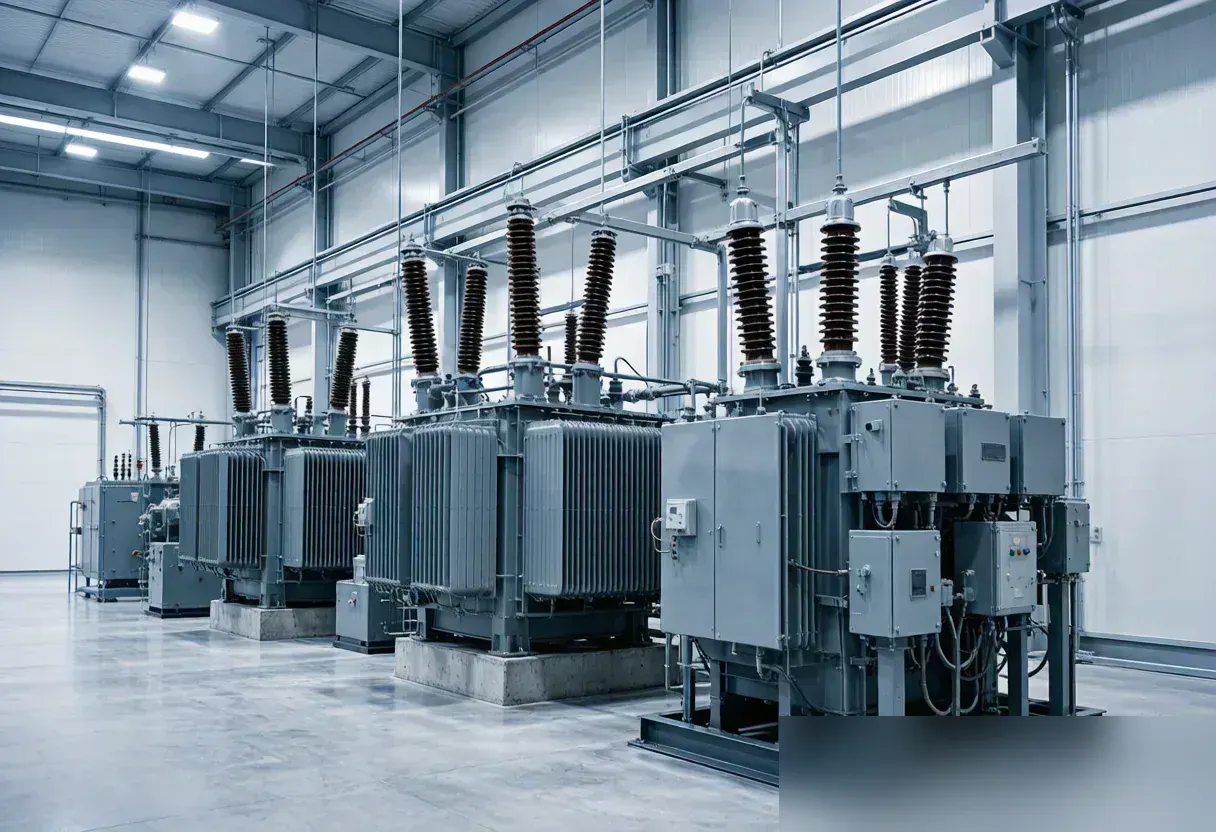
Incoterms for Power Equipment Imports: FOB vs CIF vs DAP
A practical guide to choosing Incoterms for Chinese power-equipment imports: the cost and risk trade-offs of FOB, CIF, DAP and DDP.
Read analysis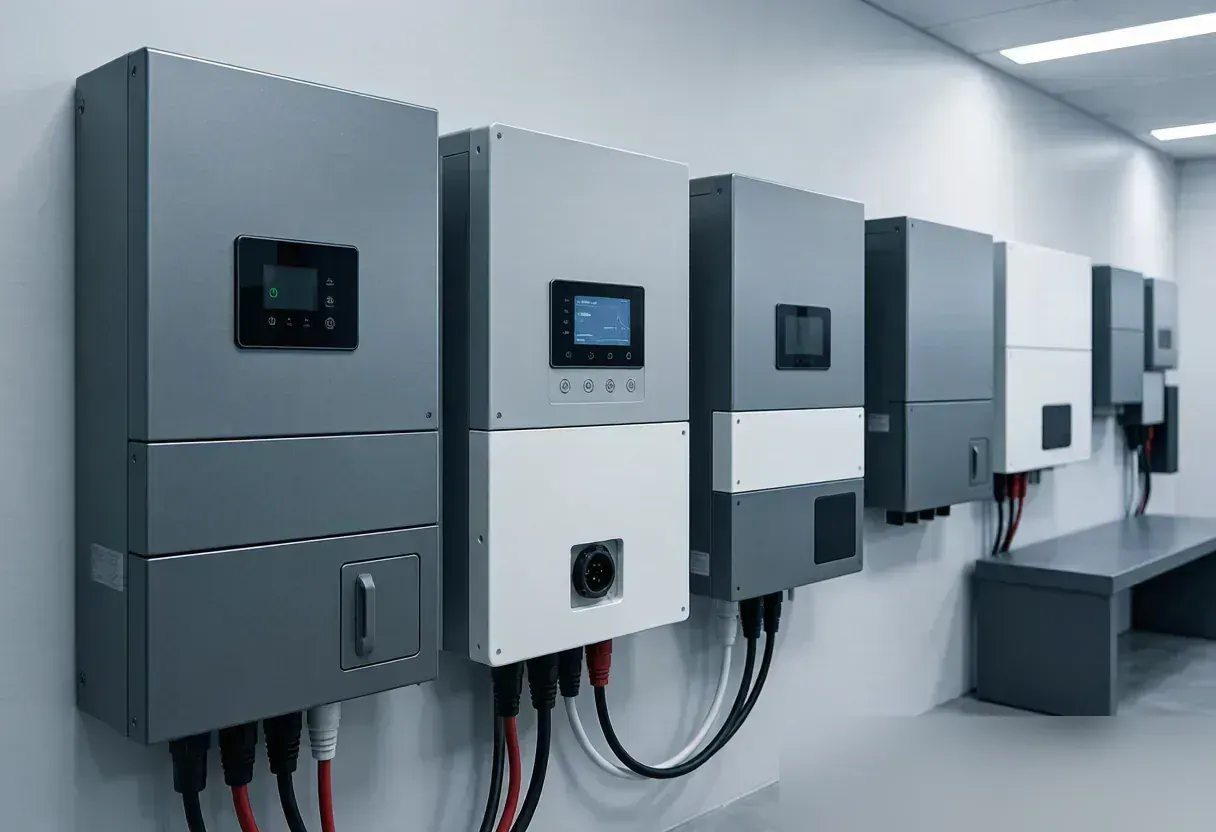
Reading a Chinese inverter datasheet: what the test data shows vs. what the brochure claims
A 1500V string inverter held 98.2% efficiency at 25°C but dropped to 96.4% at 50°C. That is a six-figure yield gap on 120 MWp no datasheet mentioned.
Read analysis